


Ergonomics v Aesthetics: The Balance With Furniture That Matters
Furniture is a key part of workplace design, shaping both the visual impact of a space and the comfort of the people using it every day. The modern workplace is expected to not only look inspiring and inviting, but also to reflect the company culture and values.
However, while aesthetics play a crucial role in creating a strong first impression, furniture that prioritises style over comfort can quickly become a problem for employees who work long hours sitting at a desk.
The most successful workplace designs are able to strike a balance between ergonomics and aesthetics – creating environments that support employee wellbeing whilst looking stunning. Keep reading to learn how you can achieve this in your next fitout project.
Understanding Ergonomics
Ergonomics is the science of designing furniture that supports the natural movement and posture of the human body. Such furniture is specifically designed to reduce strain on joints and other parts of the body which allows employees to work comfortably for extended periods.
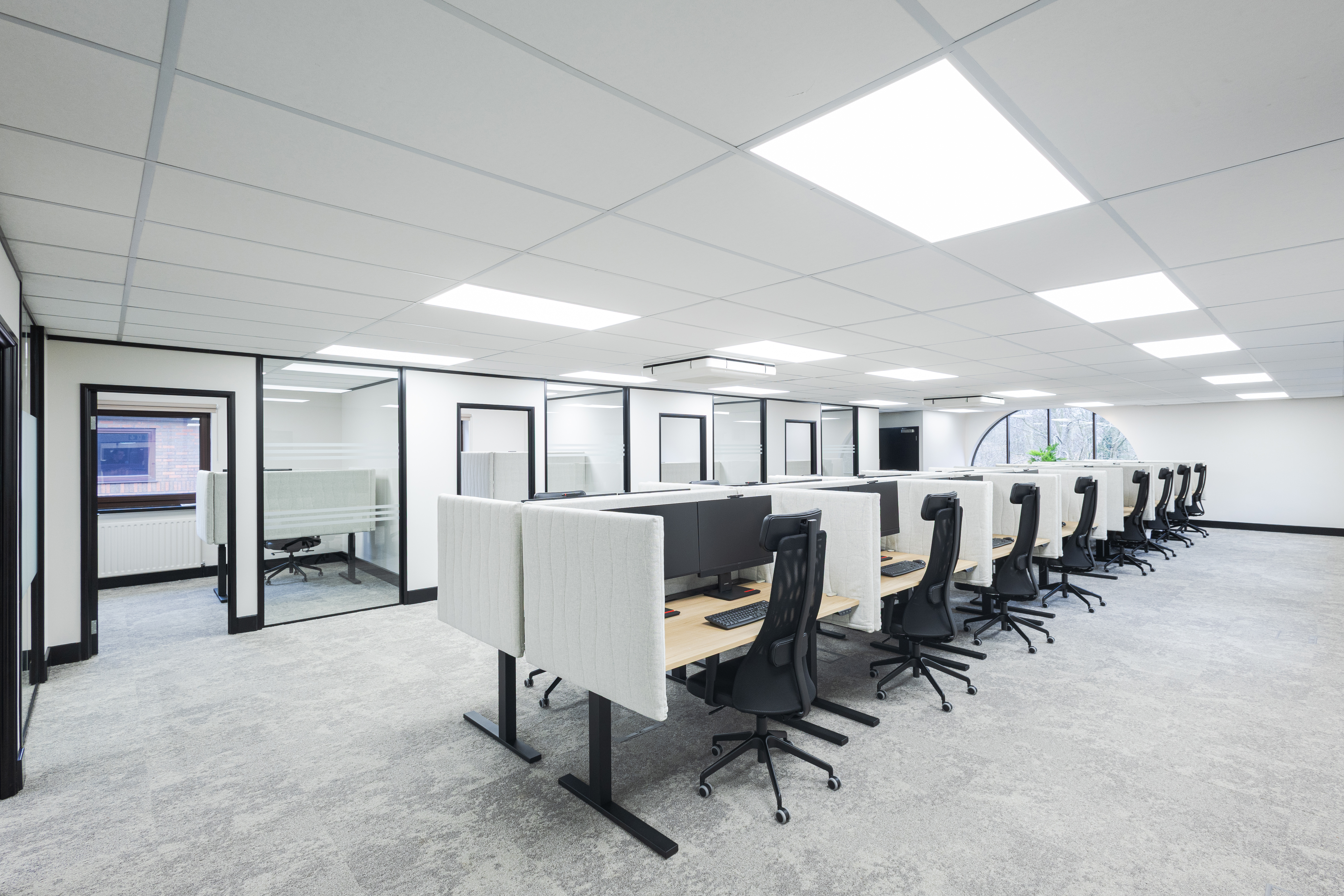
Adjustable chairs, properly positioned screens, monitor arms and sit-stand desks are just some main ergonomic furniture pieces that contribute to a healthier workplace.
There are a number of negative consequences to poorly designed furniture which can result in health issues such as back pain, fatigue, neck pain and repetitive strain injuries – all of which can hamper productivity and employee wellbeing over time.
Understanding Aesthetics
Whilst comfort and functionality are essential, aesthetics should not be overlooked. The visual quality and design of furniture in the workplace contributes significantly to the overall atmosphere of the space.
A well designed space can:
- Reinforce a company’s brand identity
- Impress visiting clients
- Create a more engaging environment for collaboration
- Improve employee morale
In today’s landscape where workplaces are designed to focus on environments that support wellbeing, productivity and company culture – many businesses are moving away from purely functional furniture towards a design that feels visually attractive, modern and comfortable.
Finding The Balance
You may be reading this blog and wondering how you can incorporate both aesthetics and ergonomics into your next workspace furniture project. Well, the good news is that there is no longer a need to have to choose between comfortable furniture and stylish furniture!
Modern workplace furniture is being designed to support ergonomic performance and aesthetic appeal. Below are some key points to note when choosing furniture that strikes the balance:
- Choose adjustable furniture – Height adjustable desks, chairs and monitor arms allow employees to personalise their setup to suit their body and working style. This is especially great for a hot desking environment where multiple people are using the furniture at different times throughout the day.
- Mix furniture types – Breakout areas and collaborative zones can incorporate softer seating and increase the “resimercial” look of a space while main working areas can remain ergonomically optimised.
- Invest in quality task seating – Ergonomic task chairs can provide essential lumbar support and come in many contemporary finishes and materials that complement the design of your workspace.