


Office Design Trends 2026
As we near the end of Q1 2026, we’ve taken a look at the key trends shaping the modern workplace. It’s clear that office design is now about far more than aesthetics – it’s performance, flexibility, wellbeing and long-term sustainability. We’ve come up with the top 6 trends which are redefining the expectations of every office and how you can implement these in any fitout or refurbishment projects you have planned for this year.
1: Technology Integrated Systems with Smart & Touchless Features
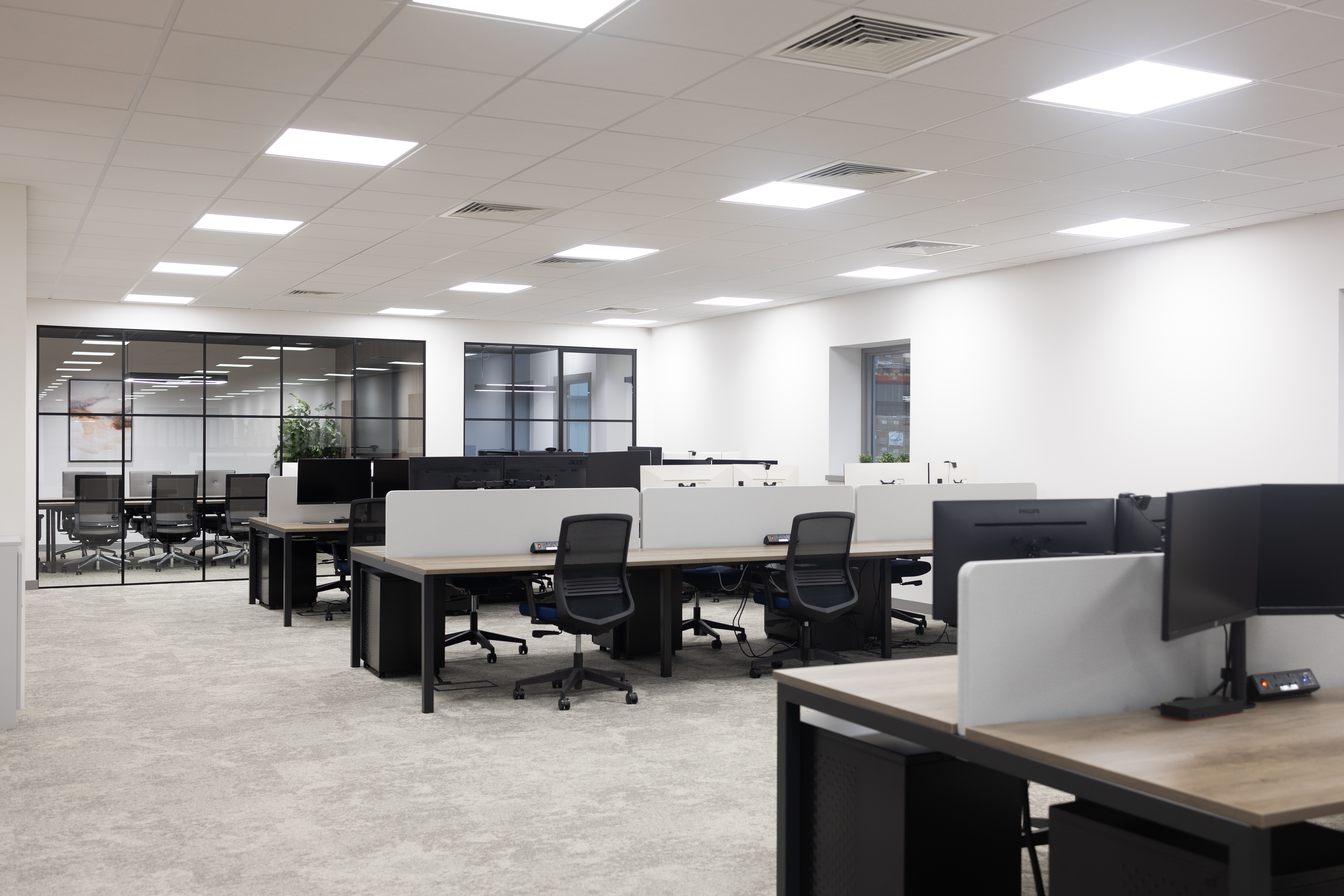
The use of smart technology is becoming seamlessly embedded into the office environment rather than added as an afterthought. Occupancy sensors, smart lighting and climate control are helping business reduce their energy usage whilst improving comfort. Touchless entry systems and smart meeting room booking programs are increasingly specified as part of modern upgrades. The focus is on delivering spaces that feel intuitive and can contribute positively to the user experience.
2: Circular Design with Sustainable Materials & Eco-Friendly Practices
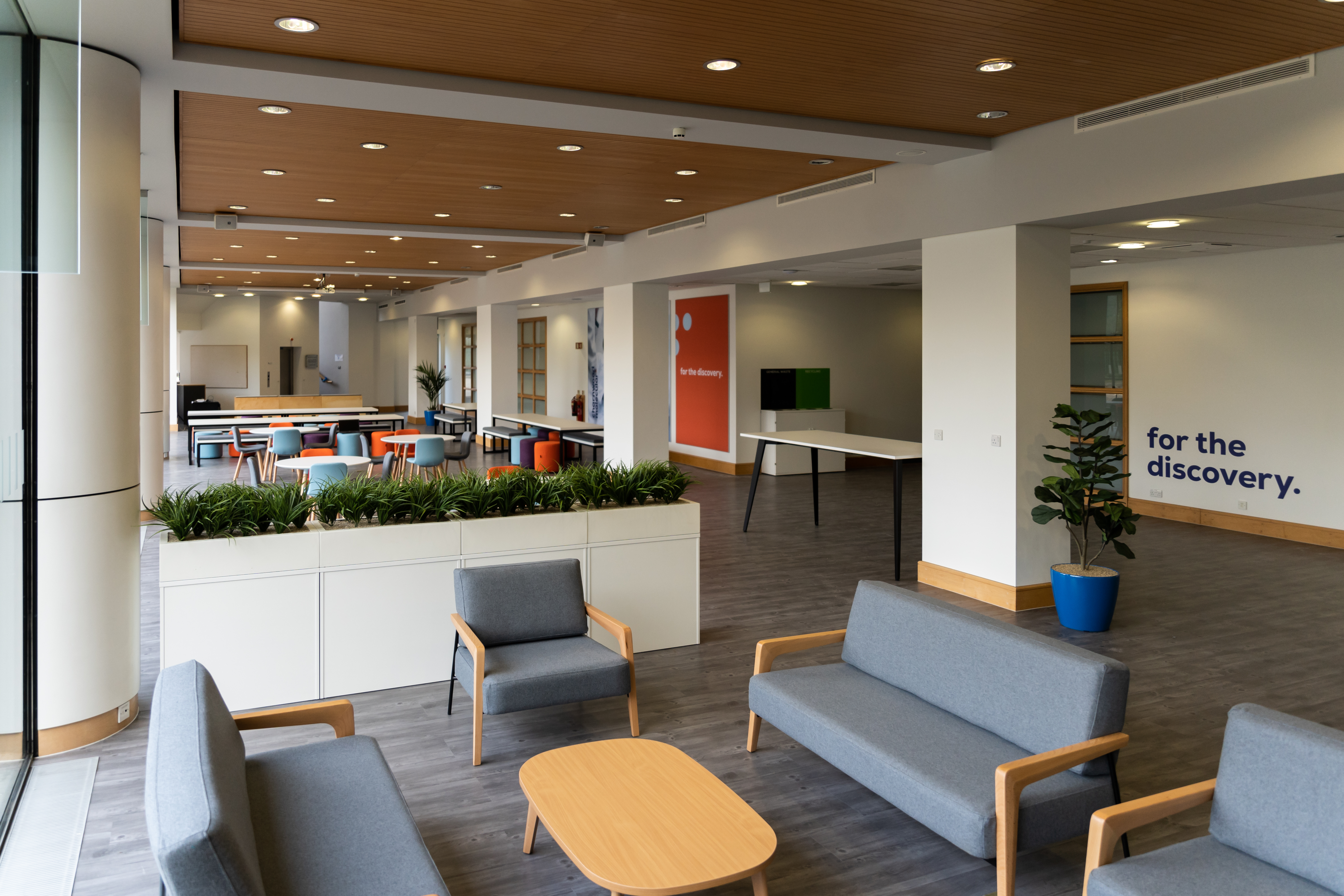
We are seeing an increase in popularity for retaining what already exists wherever possible. This includes furniture and finishes which are being assessed for reuse before new materials are introduced. When new elements are required, sustainably sourced products and low-impact finishes are prioritised. Sometimes, our clients prefer to re-upholster their existing furniture rather than buying new. This approach not only reduces waste but allows companies to reflect their commitment to environmental sustainability within the workplace.
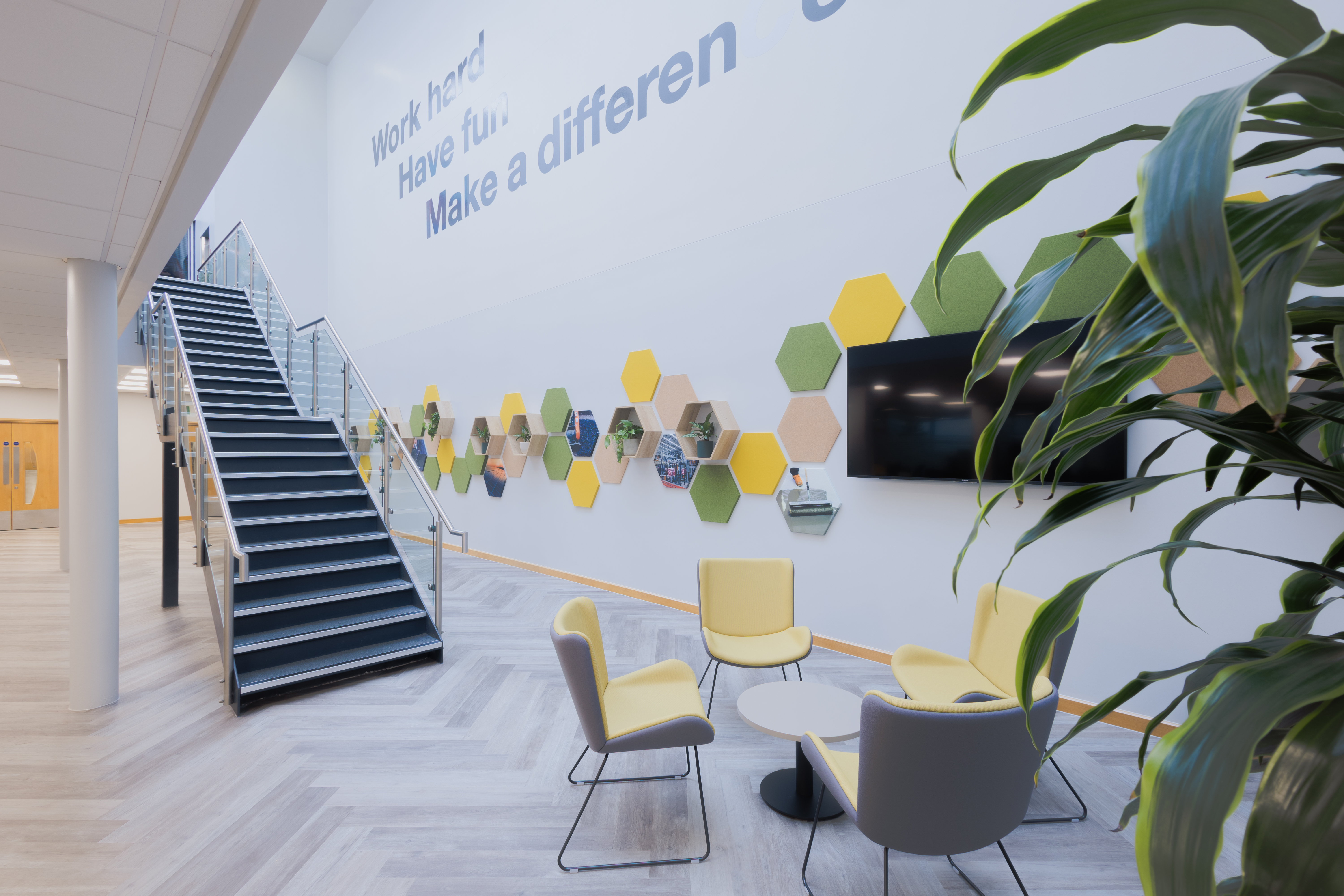
3: Hybrid-Ready Workspaces with Strategic Zoning
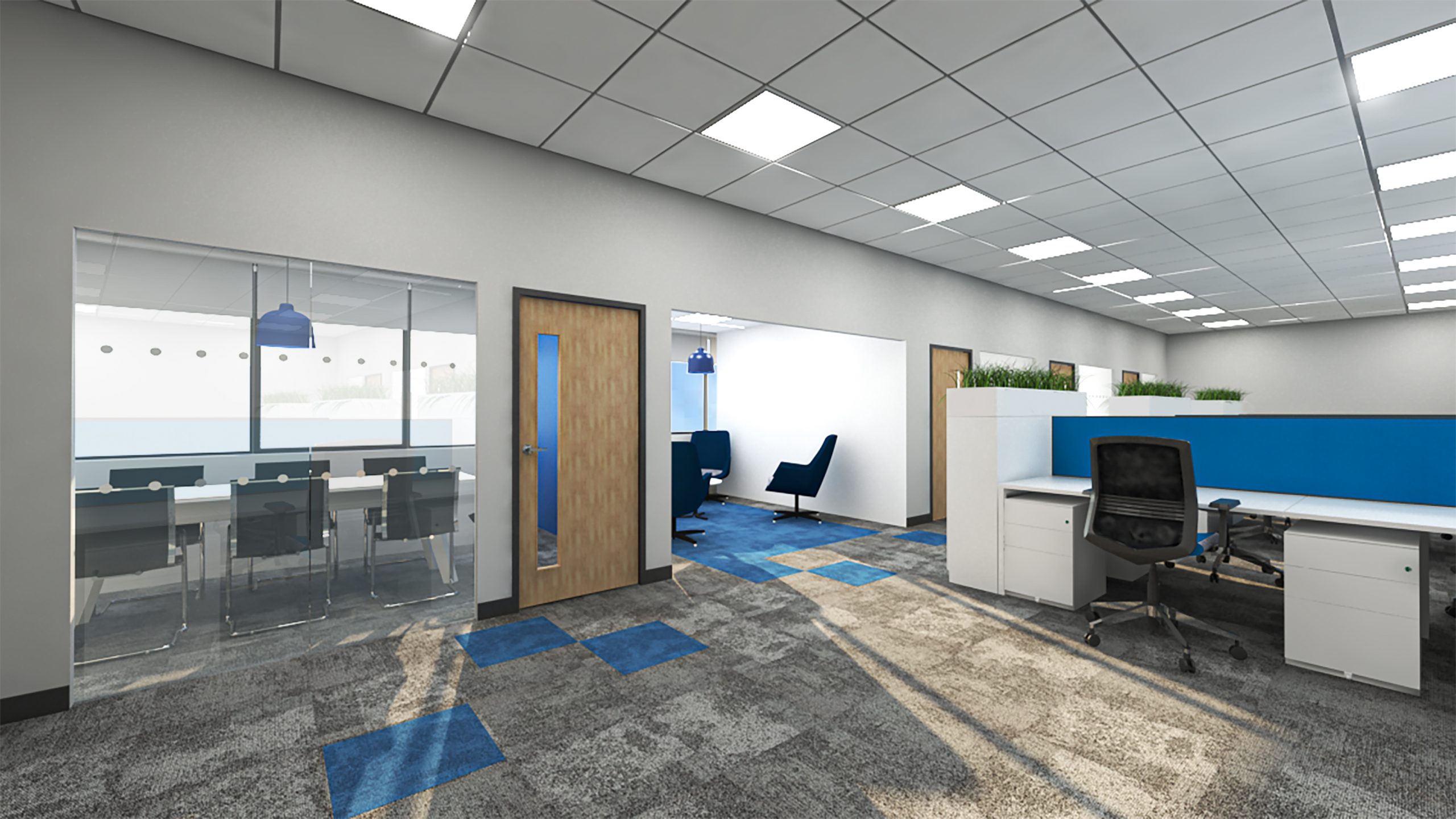
Workplace reconfiguration is now driven by how teams actually use the office rather than how people envisage an office to be used. Zoning within an office space creates a clear distinction between areas for collaboration, quieter focus areas, and informal breakout spaces without overcomplicating the layout. Flexible furniture also allows the space to respond as headcounts and working patterns shift.
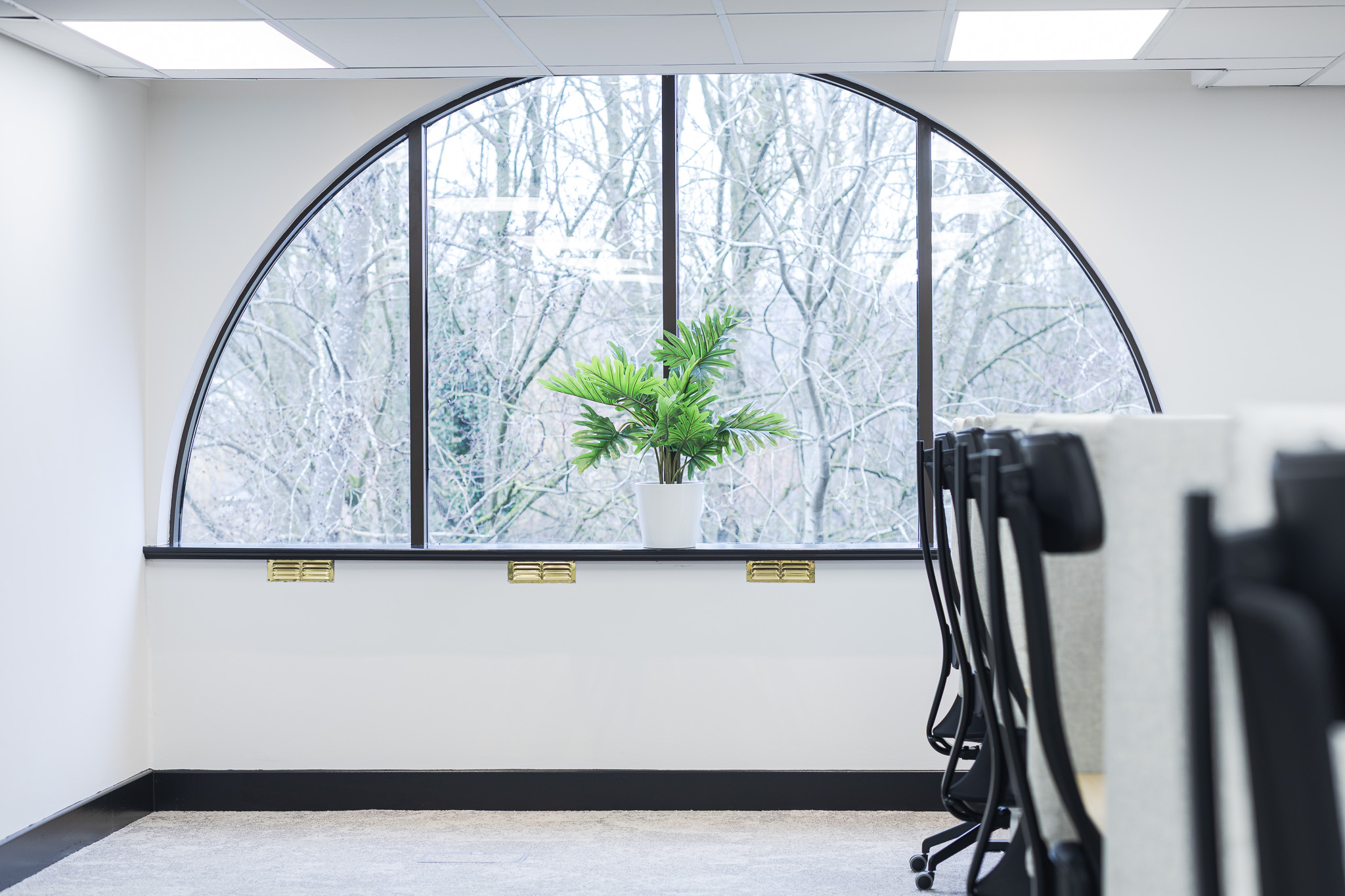
4: Biophilic Innovation with a Strong Focus on Wellness
Natural elements are being integrated more thoughtfully within modern fitouts. Maximising daylight, introducing natural textures and improving internal air quality all contribute to a healthier environment and support employee wellness. Planting and other greenery is as popular as it has ever been within main open spaces and smaller meeting rooms. It’s clear that wellness is now being embedded within a project brief rather than as a finishing touch.
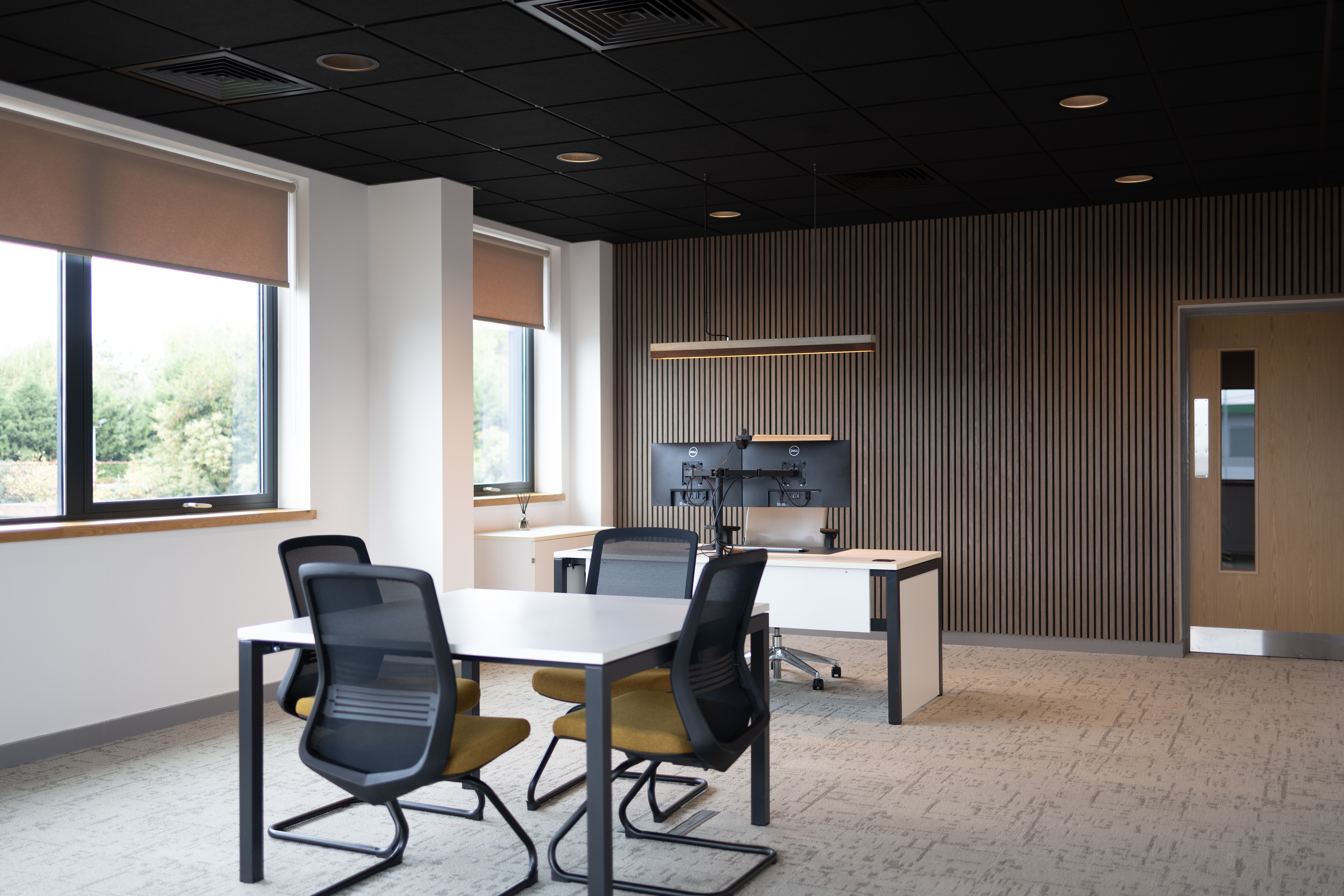
5: Acoustic comfort as a Core Design Priority
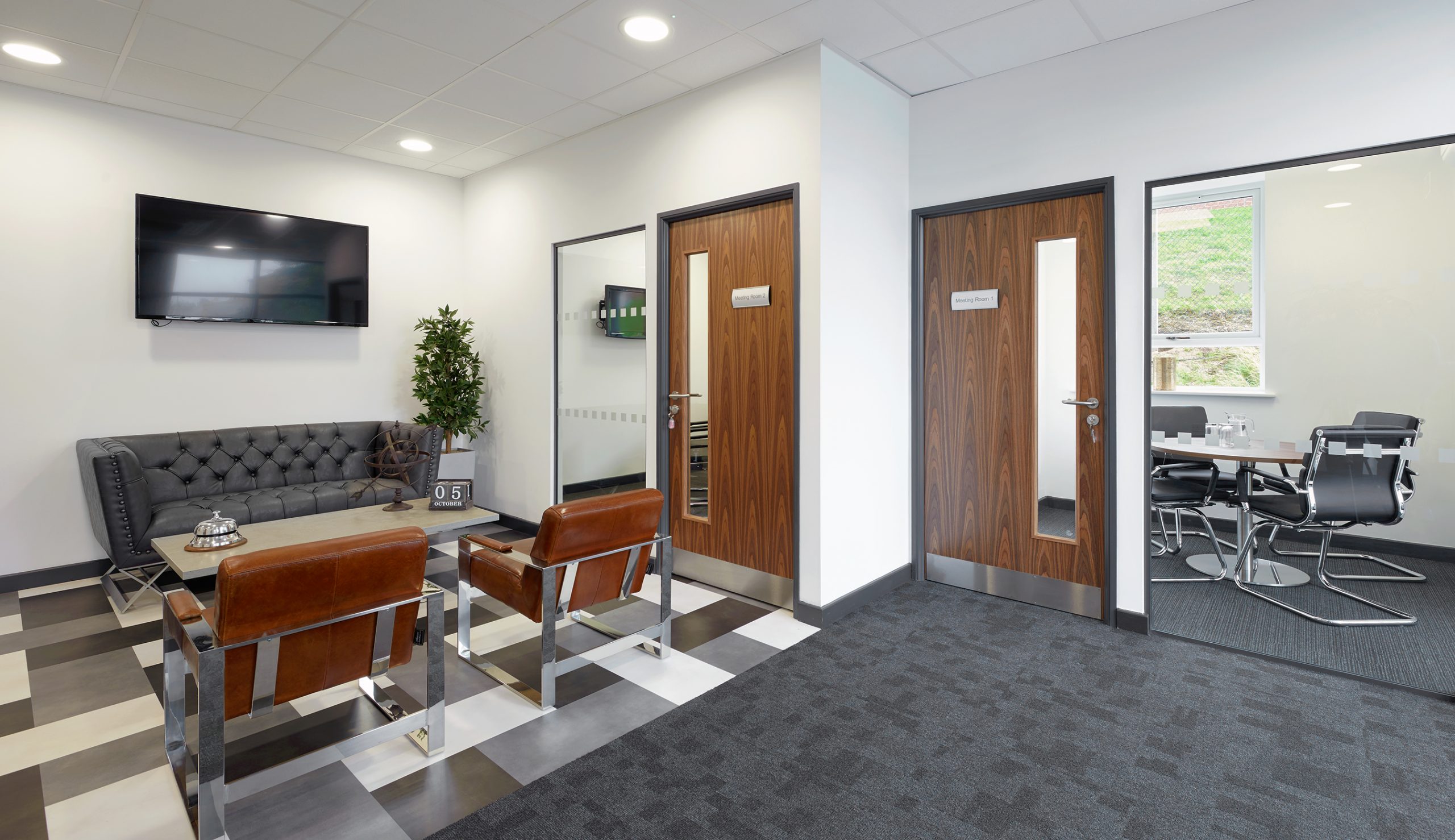
Noise control is a defining factor in how well a workspace performs. Acoustic walls and ceilings and considered space planning help manage sound in open plan areas. Meeting rooms and collaboration areas are designed to contain activity without distrupting surrounding zones.
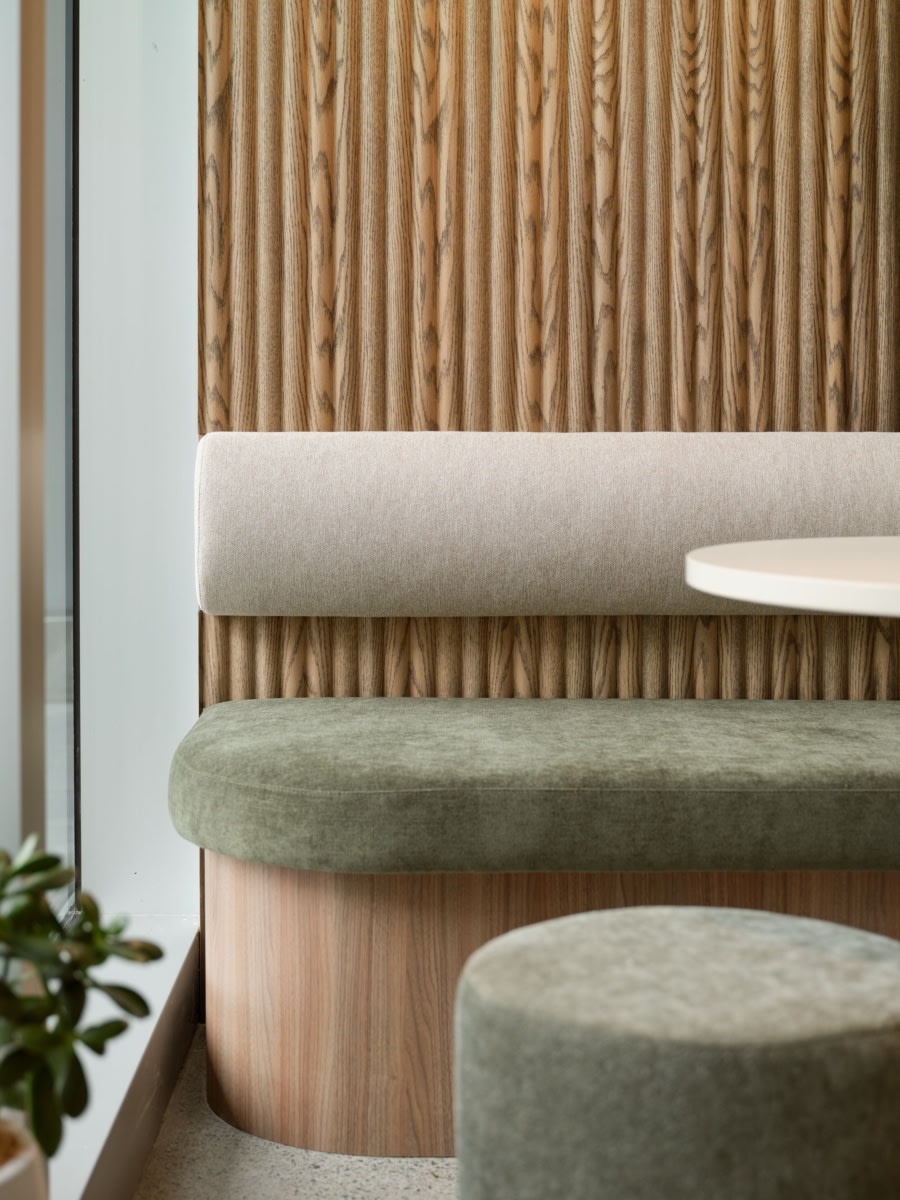
6: Reserved & Calming Colour Schemes
Colour palettes are becoming more restrained – favouring warm neturals and softer, more natural tones that create a composed and clean atmosphere. Gone are the bold contrasts; we are seeing a subtle shift in shades which are used to split up a workplace and colour code different areas.