


Incorporating Texture into Your Next Fitout Project
In today’s evolving workplace, design is no longer just about layout and functionality – it’s about experience. The most sucessful office fitouts are those that engage the senses, creating environments that inspire, comfort, and perform.
One of the most impactful, yet overlooked elements is texture.
From natural materials to layered finishes, texture plays a crucial role in shaping how a space feels, functions, and ultimately how people work in it.
Layering Materials
Texture plays a crucial role in shaping how people perceive and interact with a space. While layout determines how a workplace functions, texture influences how it feels.
By introducing a variety of tactile and visual surfaces, this can help to break up large areas and create a more dynamic environment. Without texture, even the most well-planned office can feel flat or uninspiring. With it, spaces become more engaging, comfortable, and ultimately more enjoyable to spend time in throughout the working day.
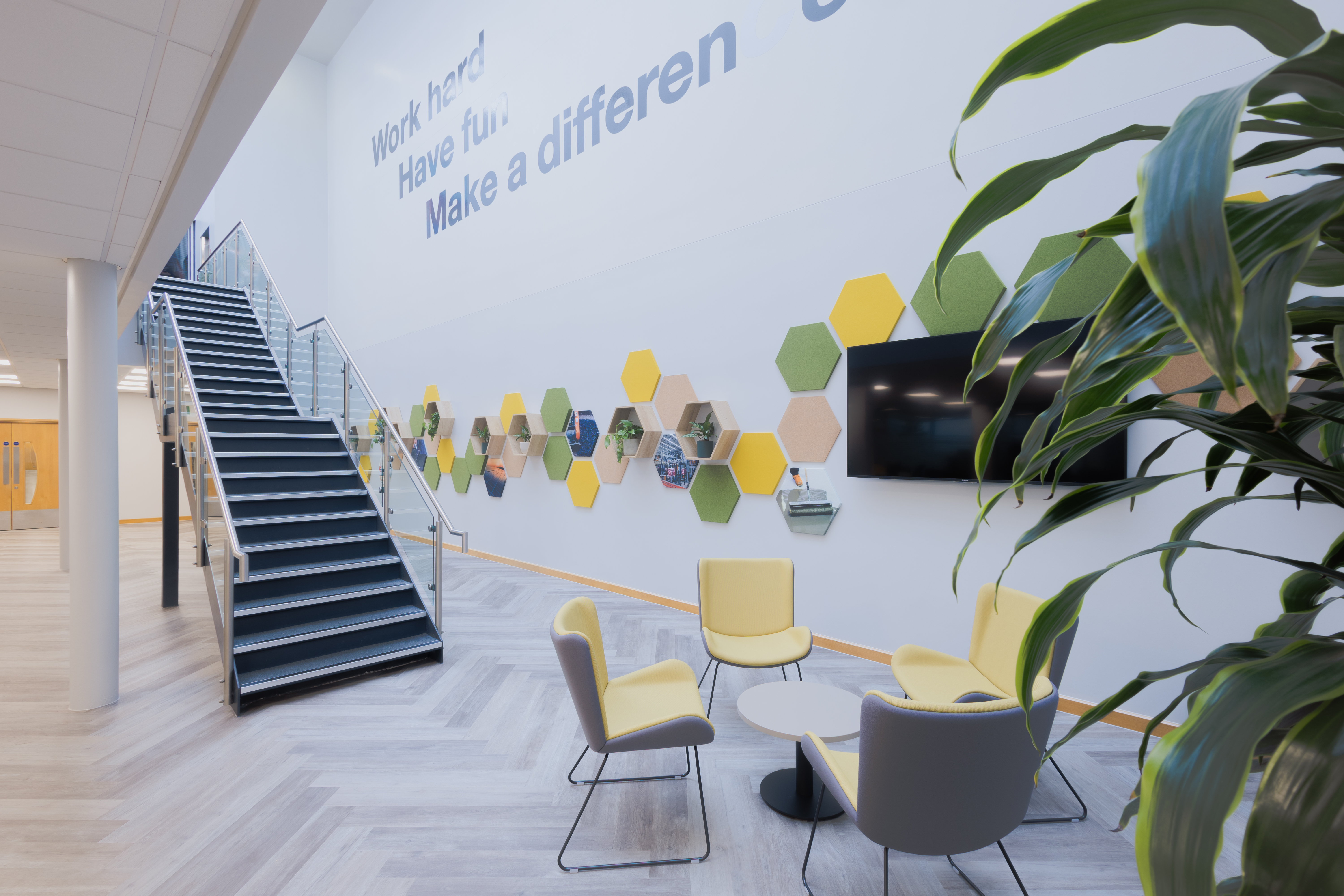
Natural Textures and Biophilic Design
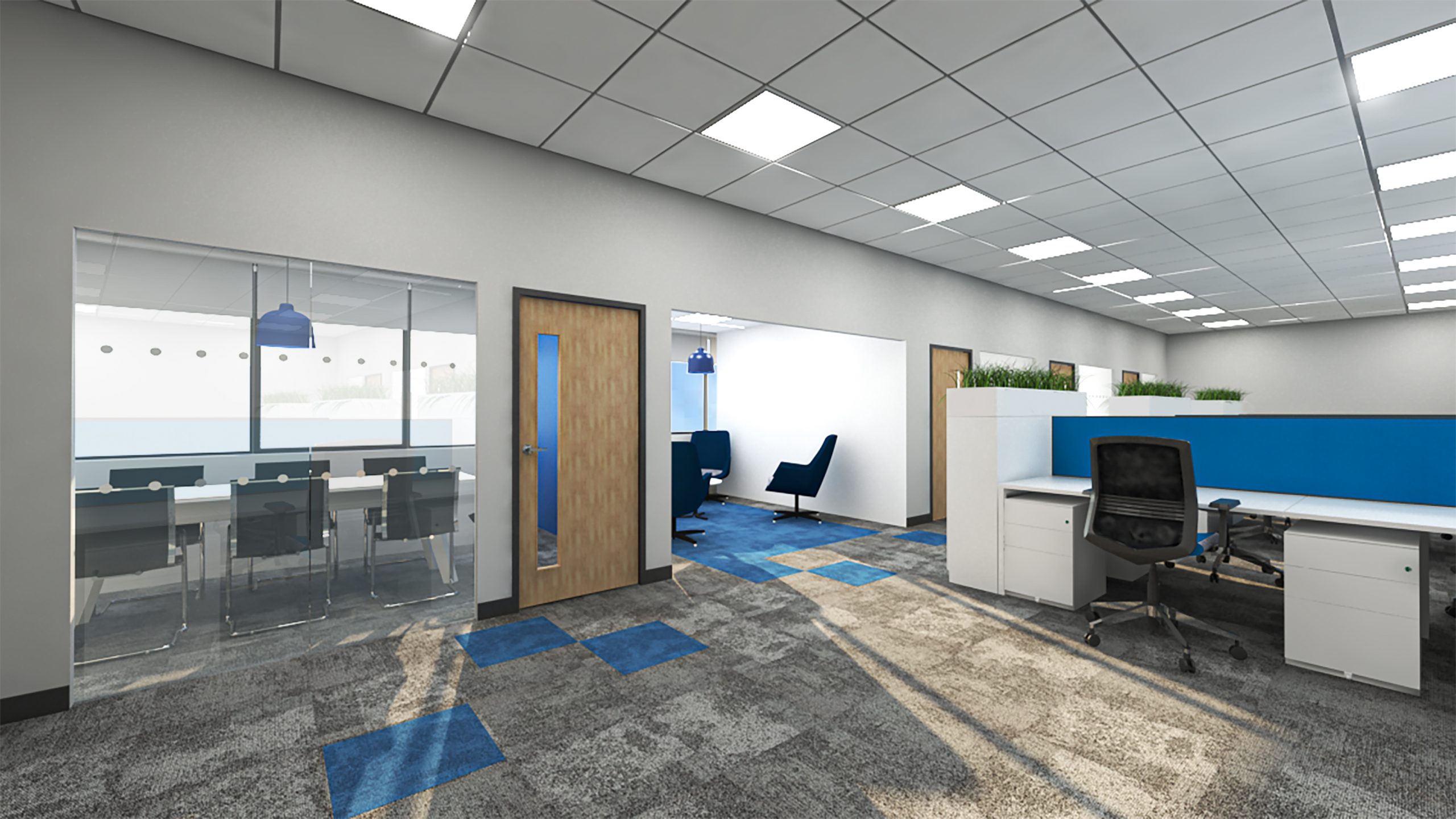
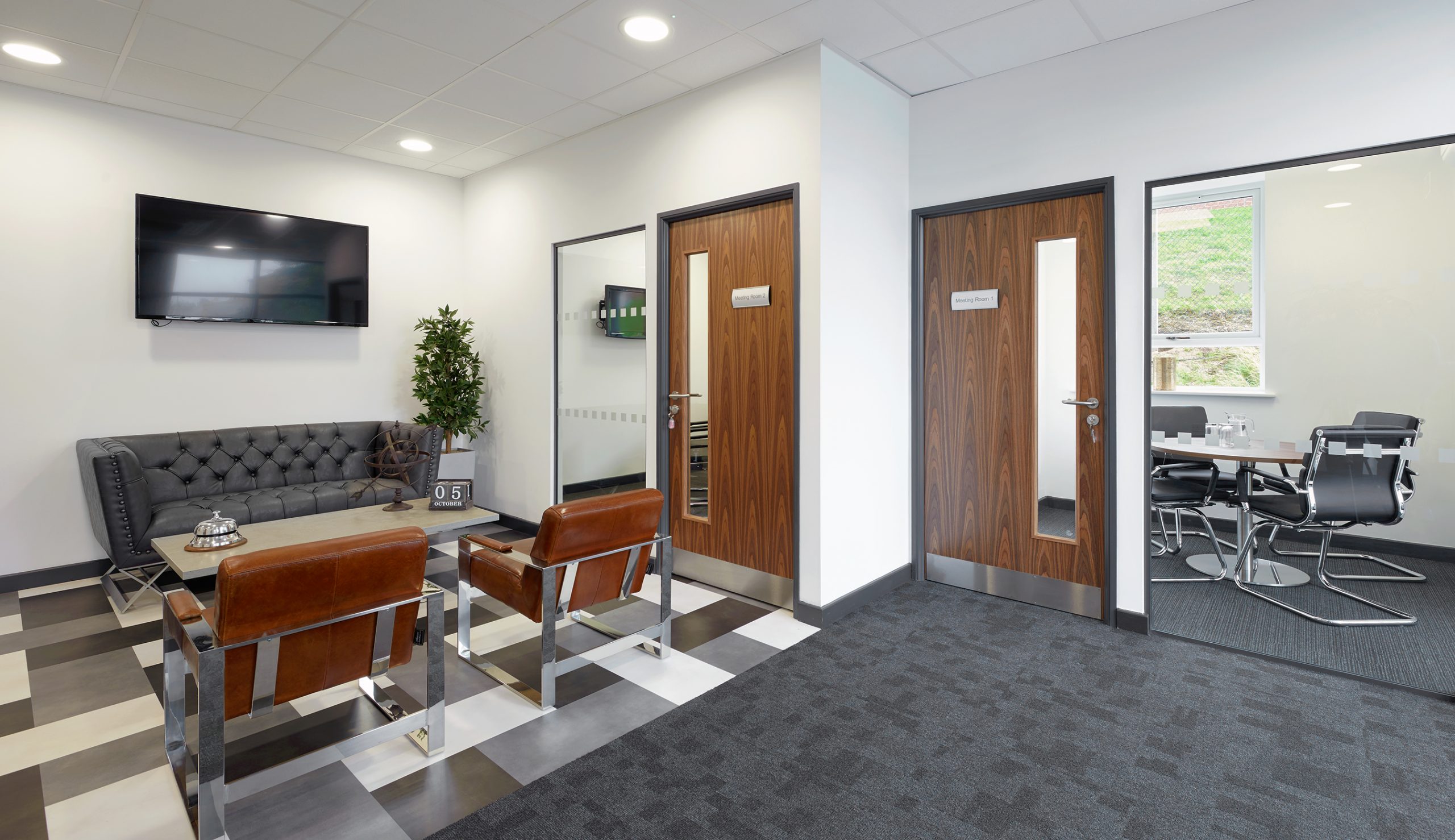
One of the most effective ways to incorporate texture into a workspace is through layering different materials. This approach creates contrast and visual interest, helping to avoid a one-dimensional look while also adding a sense of balance and cohesion across the space.
For example, combining natural timber finishes with metal details can strike a balance between warmth and modernity. Adding upholstered seating or acoustic panels introduces softness, making spaces feel more inviting and comfortable.
When done well, layering materials allows different areas of the office to subtly stand out while still feeling connected. It can also help define zone such as collaborative areas, breakout spaces, and focused workstation, without the need for physical barriers, supporting a more flexible and fluid workplace.
Functionality of Texture
Beyond its visual impact, texture also plays an important functional role within the workplace. In open plan offices where noise can often become a challenge, textured materials are essential for improving acoustics and creating a more comfortable working environment.
Soft finishes such as carpets, fabric wall panels, and acoustic ceiling baffles help to absorb sound, reducing distractions and allowing employees to focus more effectively. These elements can also be used strategically to separate different zones, supporting both collaborative and quiet working styles within the same space.
By carefully selecting materials that enhance both aesthetics and performance, businesses can ensure their workspace not only looks great but actively supports the way their teams work on a daily basis.
Creating Balance: Getting Texture Right
While incorporating texture is essential, achieving the right balance is just as important. Too many competing materials can make a space feel cluttered or overwhelming, while too little can leave it feeling flat and lacking character.
A considered approach ensures that textures complement rather than compete with one another. This often involves selecting a core palette of materials and finishes, then introducing contrast in a controlled and intentional way. The result is a cohesive design that feels both interesting and harmonious.
Ultimately, successful workplace design is about creating spaces that feel comfortable, purposeful, and aligned with the needs of the people using them every day.
Bringing Your Workplace To Life
If you’re considering your next office fitout or refurbishment, our team is here to help you explore how texture and material choices can elevate your space. From initial concept through to completion, we work closely with you to deliver a workplace that reflects your brand and supports your people.
Get in touch with us at interiors@accentoffice.co.uk to discuss your requirements and a member of our team we will be in touch!